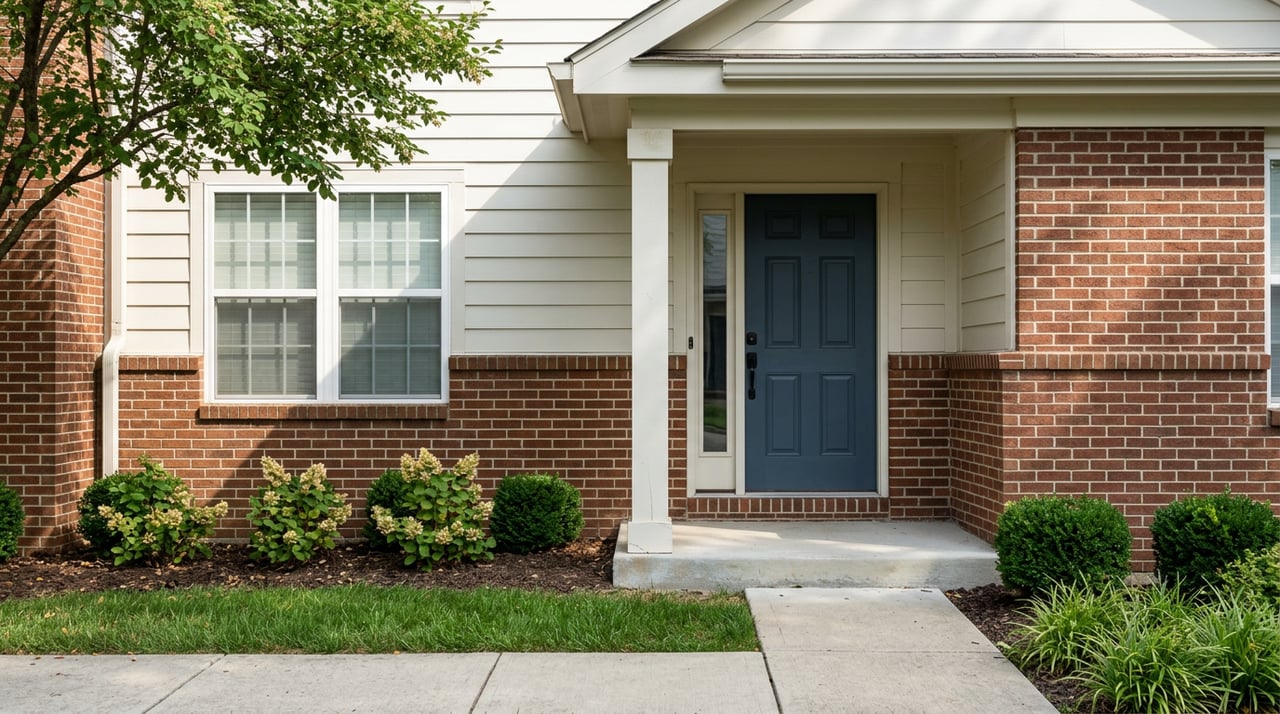
You've found the listing, run the comparables, and settled on Spring Ridge. Then, a few weeks before closing, your title company or agent mentions the resale package needs to come from two different HOAs, not one. If your unit sits in Hampton Court II Condominium Inc. instead of Spring Ridge Condominium, that's a separate document order, a separate fee, and a separate wait. Most buyers assume "Spring Ridge" means one governing body with one set of paperwork. It doesn't, and that assumption is exactly where closings slow down.
That confusion isn't a fluke of one bad experience. It's baked into how the neighborhood is legally built, and it's also why the median price you see quoted for Spring Ridge is measuring something far messier than it looks.
Four Communities Wearing One Name
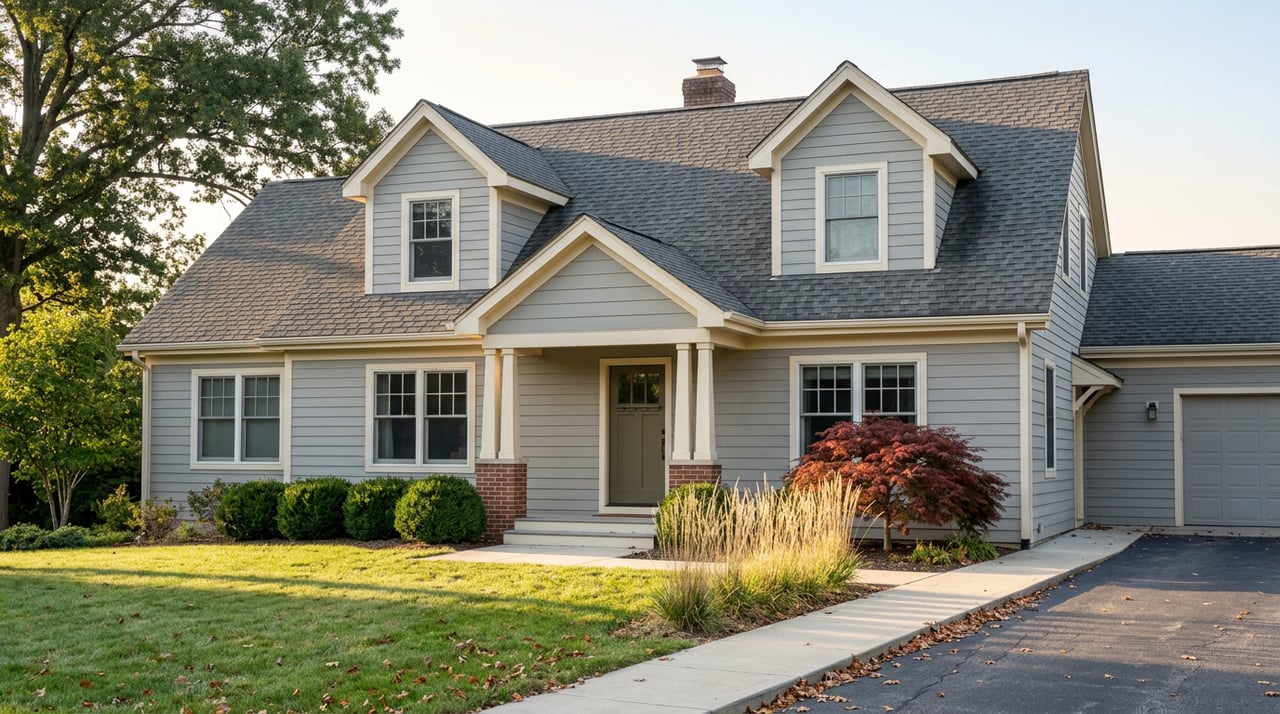
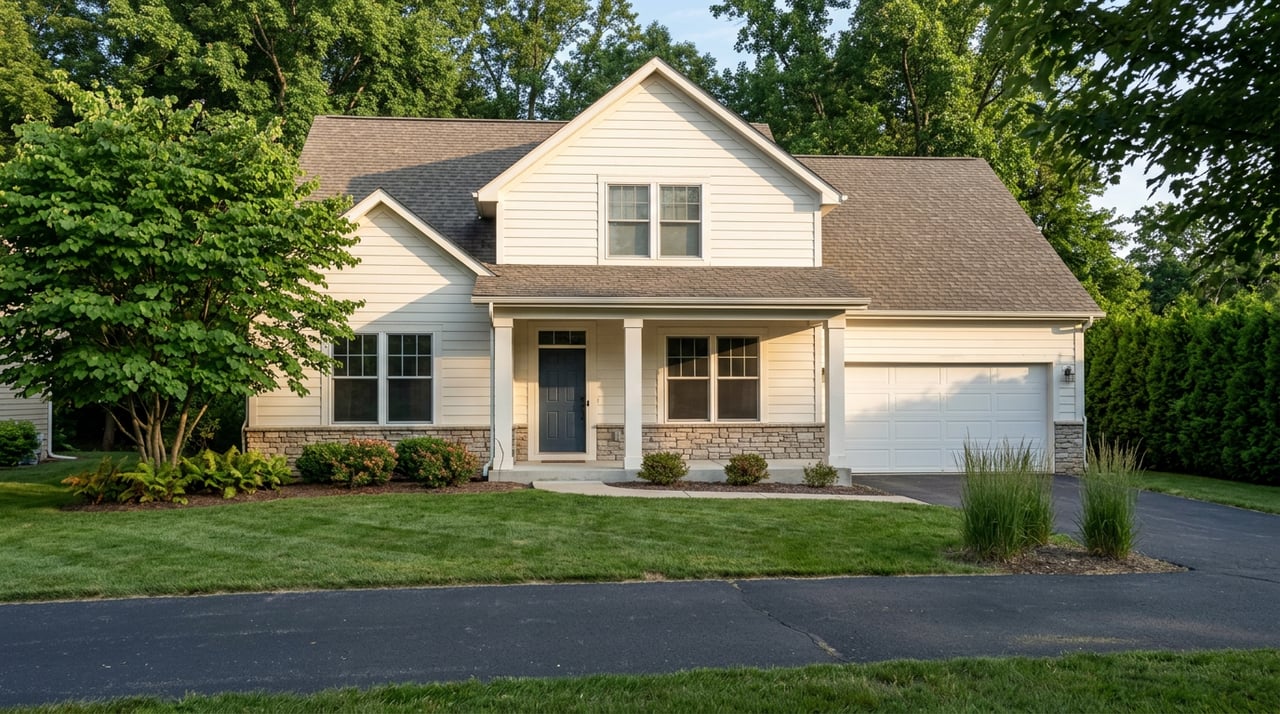
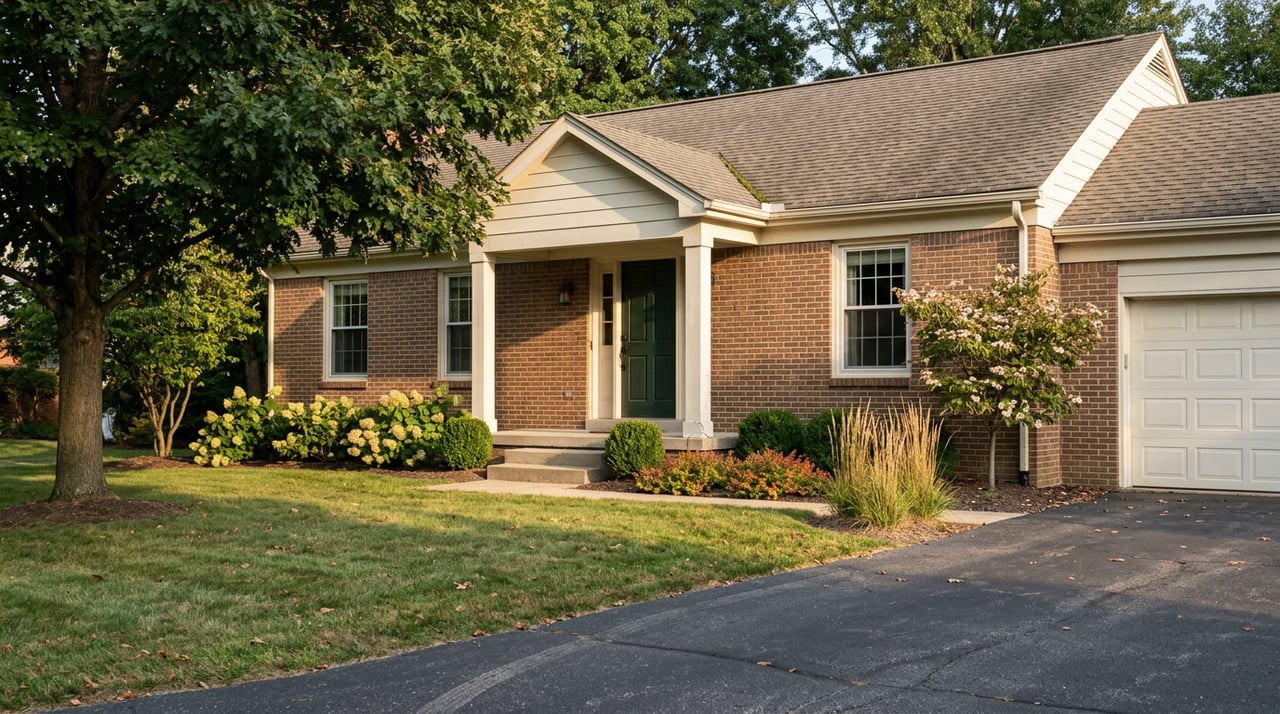
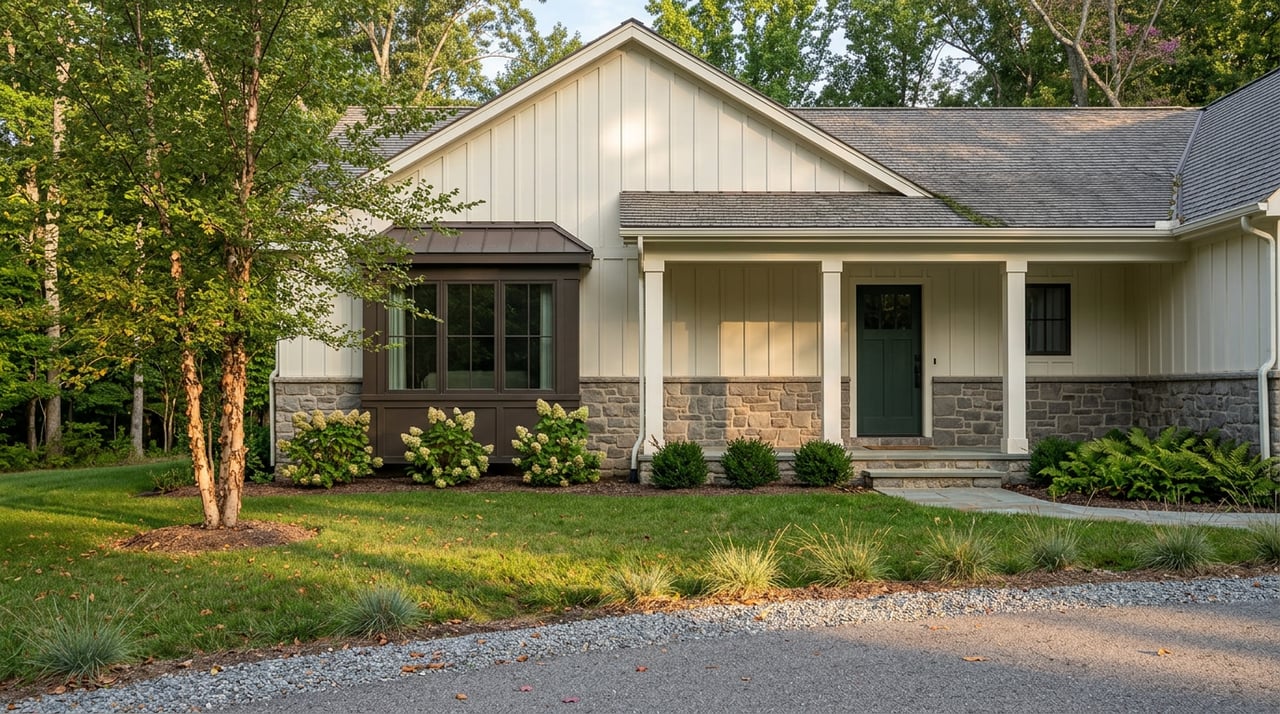
Spring Ridge is a planned urban community with a master association, Spring Ridge Conservancy, Inc., sitting over three separate sub-associations: Spring Ridge Condominium, Hampton Court Condominium, Inc., and Hampton Court II Condominium, Inc. Layer in a senior apartment building for residents 62 and older and a professional park with its own condominium structure, and you have a neighborhood built from at least five distinct governing entities, all sharing one marketing name and one Ridgefield Drive address for management.
The community is managed day to day by PMP, Inc., and every property owner, whether in a single-family colonial, a Hampton Court condo, or a townhome, is a dues-paying member of the master Conservancy on top of whatever sub-association applies to their specific building. That structure isn't unusual for a large 1990s-era PUD, but it means the phrase "Spring Ridge HOA" is doing a lot of hand-waving. There isn't one fee schedule. There are several, and they stack differently depending on what you buy.
The Median Didn't Fall. The Mix Did.
Here's where it gets interesting for anyone reading Spring Ridge's price trend as a single number.
Recent listing-tracker data pegged the community's blended median sale price, across every housing type together, at $514,692 as of May 2026, down 6.4% from a year earlier. Read on its own, that looks like a neighborhood cooling off fast, well beyond what's happening across Frederick County as a whole, where the median sat at $489,000 over the three months ending in May 2026, down a negligible 0.096% year over year.
But look at the segments underneath that blended number. Over the trailing 12 months, condos in Spring Ridge carried a median sale price of $428,250, up 1% from the prior year. Townhomes carried a median of $430,000, up 2%. Both housing types were selling for more, not less, than a year earlier. A separate snapshot from January 2026 put the community-wide average sale price, blending all types together, at $518,926, well above either individual segment median.
Put those side by side and the story flips. Condos and townhomes weren't losing value. If anything, they were gaining a little. What changed was the mix of what happened to sell in any given window, more of the lower-priced condo and townhome inventory moving relative to single-family homes. A blended median can drop 6% year over year for the exact same reason a class average can drop when more freshmen take the test: not because anyone got worse at the material, just because the group of people sitting the exam changed.
The published median for Spring Ridge isn't tracking home values falling. It's tracking which kind of home happened to close in a given month.
That distinction matters if you're comparing Spring Ridge to another Frederick County neighborhood using nothing but the headline median. You're not comparing like to like unless you know which segment produced that number.
What the Resale Package Actually Requires
Back to the paperwork, because this is where the segmented structure stops being trivia and starts costing time.
Maryland law requires a resale package for any home in a community with an HOA or condo association, and in Spring Ridge that package is ordered through CondoCerts, an online document portal that requires its own account setup. If you're buying or selling anything other than a plain single-family home not part of a condo sub-association, you need documents from two places: the specific sub-association tied to your building, and the Spring Ridge Conservancy master association. Single-family homeowners who aren't part of a condo association only need the Conservancy documents, which simplifies things somewhat, but condo buyers in Hampton Court, Hampton Court II, or Spring Ridge Condominium proper are ordering from both.
On top of the CondoCerts order, association questionnaires carry a flat $50 processing fee, payable only by check to PMP, Inc. and mailed to the management office on Ridgefield Drive. No credit cards. If a lender needs that questionnaire completed for underwriting, that's a mail cycle sitting inside your closing timeline, not a same-day online payment.
None of this derails a transaction if it's caught early. It becomes a problem when it surfaces late, which is exactly when out-of-area buyers or first-time Spring Ridge sellers tend to discover it, because nothing about the neighborhood's exterior signals that there's more than one HOA to satisfy.
A short checklist for anyone actually transacting here:
- Confirm which sub-association, if any, your specific unit belongs to before you write or accept an offer, not after.
- Order the CondoCerts resale package as soon as the contract is ratified, since it requires both master and sub-association documents for condo units.
- Budget for the $50 questionnaire fee and mail the check early. It isn't processed by credit card or expedited electronically.
- If you're unsure which association applies, the Conservancy's Visitors' Center can confirm it before you spend money ordering the wrong document set.
Why Buyers Still Pay a Premium for the Address
None of this friction has stopped Spring Ridge from commanding a premium over much of Frederick County, and the amenities explain part of why.
Tree Trekkers, an aerial adventure park with more than 40 zip lines spread across roughly 30 acres of wooded trail, sits inside the community and draws visitors well beyond Spring Ridge itself. The Spring Ridge Shopping Center at the community's entrance anchors daily life with a Weis Market, J&P Pizza, and Great Wall Chinese Restaurant, along with McCutcheon's Apple, known locally for its jams and preserves. The community pool complex includes a lap pool and splash pad, and Frederick County began a stormwater reconstruction project behind the pool area earlier this year, part of ongoing infrastructure work the Conservancy has been tracking through its resident newsletter.
That density of on-site amenities, paired with the master association's oversight of common areas, landscaping, and snow removal for townhome sections, is part of what buyers are paying the master assessment for regardless of which sub-association governs their specific building. It's a genuine value, but it's a shared value, not something priced separately by housing type, which is one more reason a single "median" flattens more than it reveals.
If You're Comparing Spring Ridge to Another Frederick County Neighborhood
If you're weighing Spring Ridge against another community in Frederick County, ask which housing type you're actually pricing before you anchor on any headline number. A condo buyer comparing Spring Ridge's blended median to a townhome-only community elsewhere is comparing two different things dressed up as one metric. Ask your agent to pull the segment-specific median, not the blended figure, and ask early which sub-association governs the specific unit you're considering, since that determines both your resale paperwork and your realistic closing timeline.
FAQ
Do all Spring Ridge homeowners pay into the same HOA? No. Every owner pays into the master association, Spring Ridge Conservancy, Inc., but condo owners also pay into whichever sub-association governs their building, either Spring Ridge Condominium, Hampton Court Condominium, Inc., or Hampton Court II Condominium, Inc. Single-family homeowners outside those condo structures pay the Conservancy assessment only.
How do I find out which sub-association applies to a home I'm considering? The Conservancy's Visitors' Center can confirm which association governs a specific address before you order any resale documents, which avoids paying for the wrong document set through CondoCerts.
Who typically pays the $50 questionnaire fee? The fee structure varies by transaction, but it's worth confirming with your agent or title company early since it must be paid by check to PMP, Inc. and mailed rather than paid electronically, which can add time if it's requested late in the closing process.
If you're weighing a purchase in Spring Ridge, or trying to figure out what a listing there is really worth once you account for which association it falls under, The Trish Mills Team can walk you through the segment that actually matches your budget and timeline. Get Your Instant Home Valuation to see where your own Frederick County property fits into this picture.