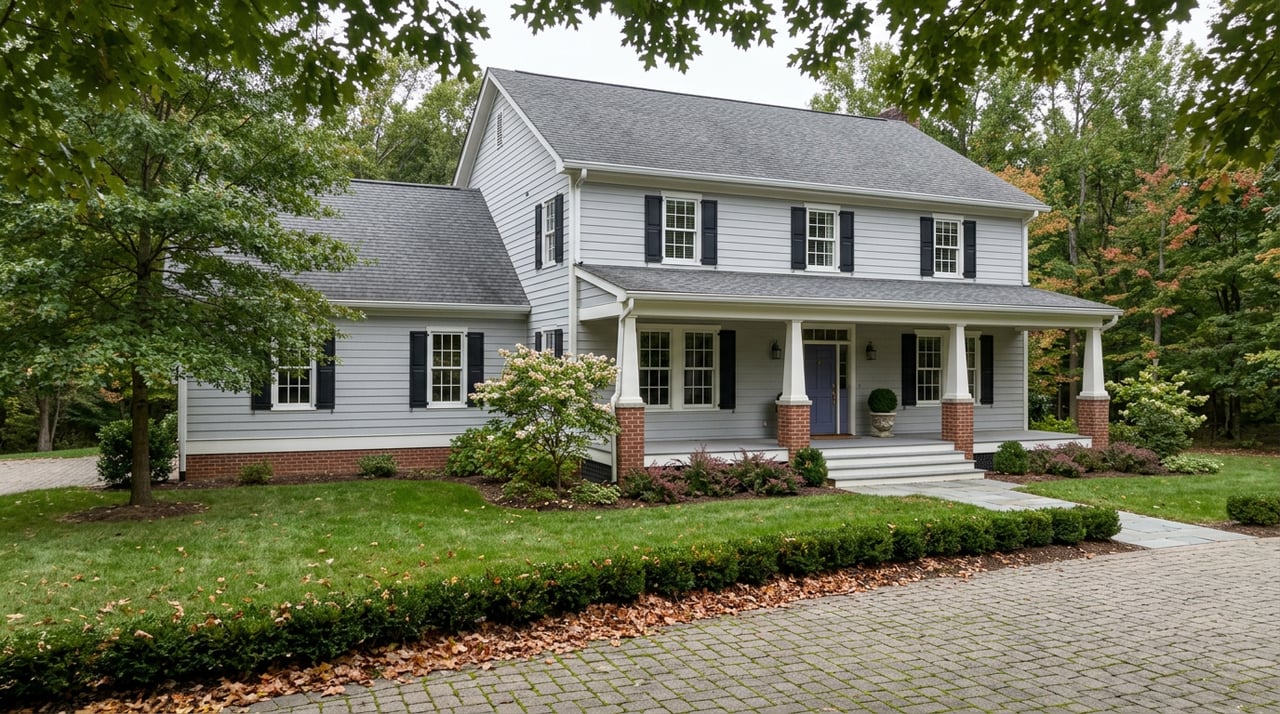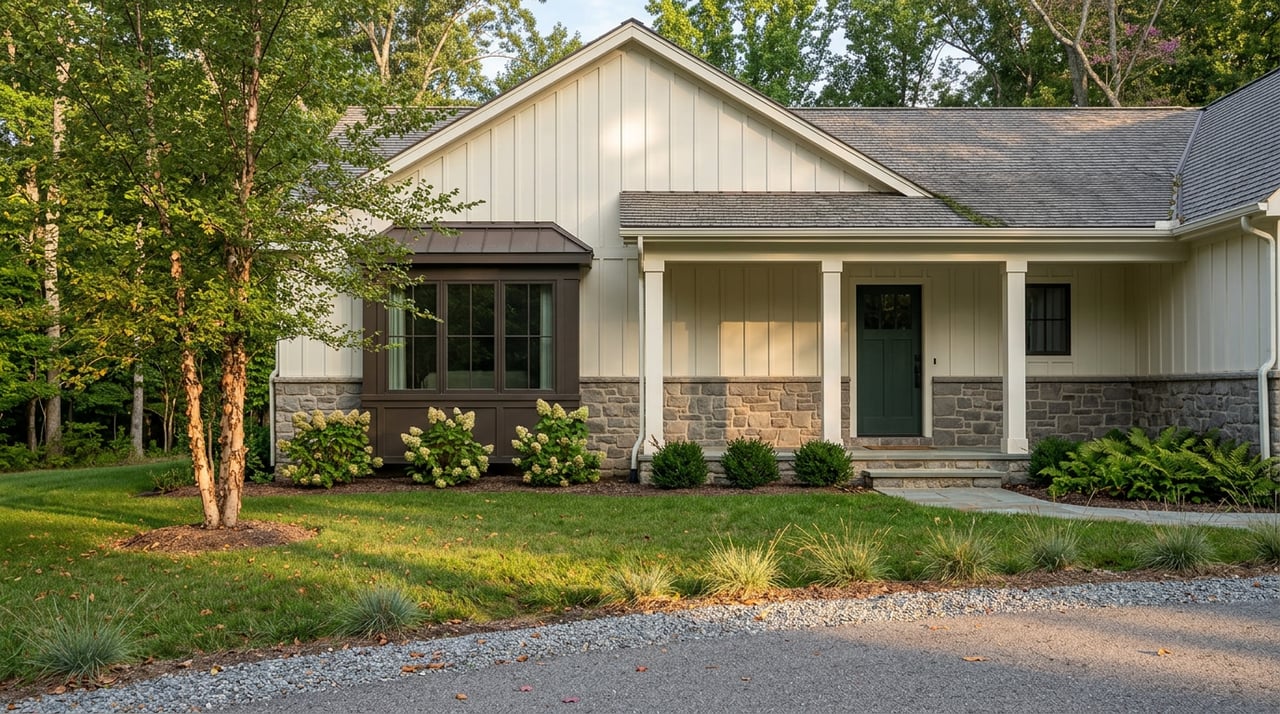
Walk down to the marina at Crossings on the Potomac around Memorial Day and you might find the docks already in the water. You might also find them still stacked on shore, waiting. There's no marina office to call, no dockmaster keeping a posted schedule. The timeline that governs when your boat can go in the Potomac is set by neighbors on a volunteer committee, with timing that can vary according to volunteer availability.
The marina is a community amenity: private access to eight miles of boatable water. Residents provide the labor that keeps it operating.
The Marina Runs on Volunteer Time, Not a Fixed Date
The Crossings on the Potomac Marina and Dock Committee works from a general pattern rather than a locked date. Docks are normally installed by Memorial Day weekend and pulled again in early October. The portable toilet for the season typically goes in by May. None of this is contracted out to a marina management company. It happens because residents show up and do it, which means the exact week can shift depending on who's available, what the water looks like that spring, and how the prior season's equipment held up.
If you're used to public marinas with paid staff, that's a real difference. Use and enjoyment of the marina is for property owners, their family, and their guests, and it's explicitly at their own risk. The private marina has no membership fee, and its operation depends on community volunteers.
What the Dues Actually Fund
The annual assessment at Crossings on the Potomac is $850 per lot, and it isn't a flat number pulled from thin air. It splits into two pieces: $550 covers annual operating expenses and $300 goes into a dedicated roadway resurfacing reserve fund. That structure tells you something about the physical reality of living here. Most of the community's roads are private, running through four gated sections, and private roads don't get repaved by a county crew on a schedule. They get repaved when the reserve fund has enough in it and the board decides it's time.
Dues can be adjusted under West Virginia Code 36B-1-114, which governs how homeowners associations set and change assessments in the state. The Property Owners Association is incorporated under West Virginia law and, like the marina, runs without a property management company. Every board seat, every committee assignment, every decision about when the roads get resurfaced or the docks get pulled comes from residents volunteering their own time.
Four Gates, and a Name That Echoes Somewhere Else
The community's four gated sections carry names that read like a short lesson in regional history: Americana, Conocoheague, Piscataway, and Chesapeake. Piscataway and Chesapeake point toward the broader Potomac and Chesapeake Bay watershed the river eventually feeds. Conocoheague is a variant spelling of Conococheague, a name tied to a creek and a stretch of history on both sides of the Potomac.
That name shows up again in a place you wouldn't expect: the venue where Crossings on the Potomac holds its own annual meeting.
The Meeting Leaves the Neighborhood Every November
The community's 2026 Annual Meeting is scheduled for November 8, 2026, and it isn't held inside the gates. It takes place at Williamsport Redmen, a large facility on Lappans Road in Williamsport, Maryland, just across the river. Williamsport Redmen Tribe 84 is a fraternal organization with real roots in the area. It was chartered by the Great Council of the United States and the Reservation of Maryland back in 1887, under a different name: the Conococheague Tribe. The group met in an old church on South Conococheague Street in Williamsport for decades before eventually building the current hall on Lappans Road, which held its grand opening in May 1989.
So the same word that names one of the four gated sections at Crossings on the Potomac is the founding name of the lodge where residents gather every fall to vote on their own budget and board. It's just what happens when a small residential community sits in a valley that's been organized around the same handful of place names for more than a century.
When the Docks Come Out, the Water Doesn't Close
Dock removal in early October doesn't mean the boating season is over for everyone in the area, just for slips inside the gates. Berkeley County maintains a public access point on Back Creek at the Honaker-Spies Memorial Bridge on WV 9 near Hedgesville, one of several public stream access sites the county lists for the waterway, which flows roughly 34 miles before emptying into the Potomac. Anglers working that stretch or the river itself are typically after smallmouth and largemouth bass, catfish, and increasingly snakehead, an invasive species that's spread through the Potomac watershed since the early 2000s and that fisheries managers actively encourage anglers to harvest when caught.
For residents who want to stay on the water past the point where their own dock has been pulled for winter, Potomac Paddlers runs guided floats on Back Creek, and its 2026 season runs from Labor Day weekend through Columbus Day, a roughly four-hour trip past wooded hillsides and stone outcroppings before the water opens back toward the Potomac. It's a different kind of season than the one the marina committee sets, timed to paddling conditions rather than dock logistics, and it stretches the calendar for anyone willing to trade a private dock for a shared canoe.
A Season Shaped by Who Shows Up
Together, these details show how Crossings on the Potomac organizes its marina and shared infrastructure. The dock schedule reflects volunteer availability. The road reserve fund grows only as fast as dues allow. The annual meeting is held at a lodge across the river, and the lodge's founding name echoes the name of one of the community's gated sections.
For prospective residents, those rhythms are part of what to weigh alongside the community's river access.
If you're weighing a move to the river, or you already live inside one of these four gates and you're curious what your property is worth in the current market, The Trish Mills Team knows this stretch of the Potomac from the ground up. Reach out any time, or start with a Get Your Instant Home Valuation to see where your home stands today.
This article is general information, not legal, tax or financial advice. Consult a qualified professional about your situation.