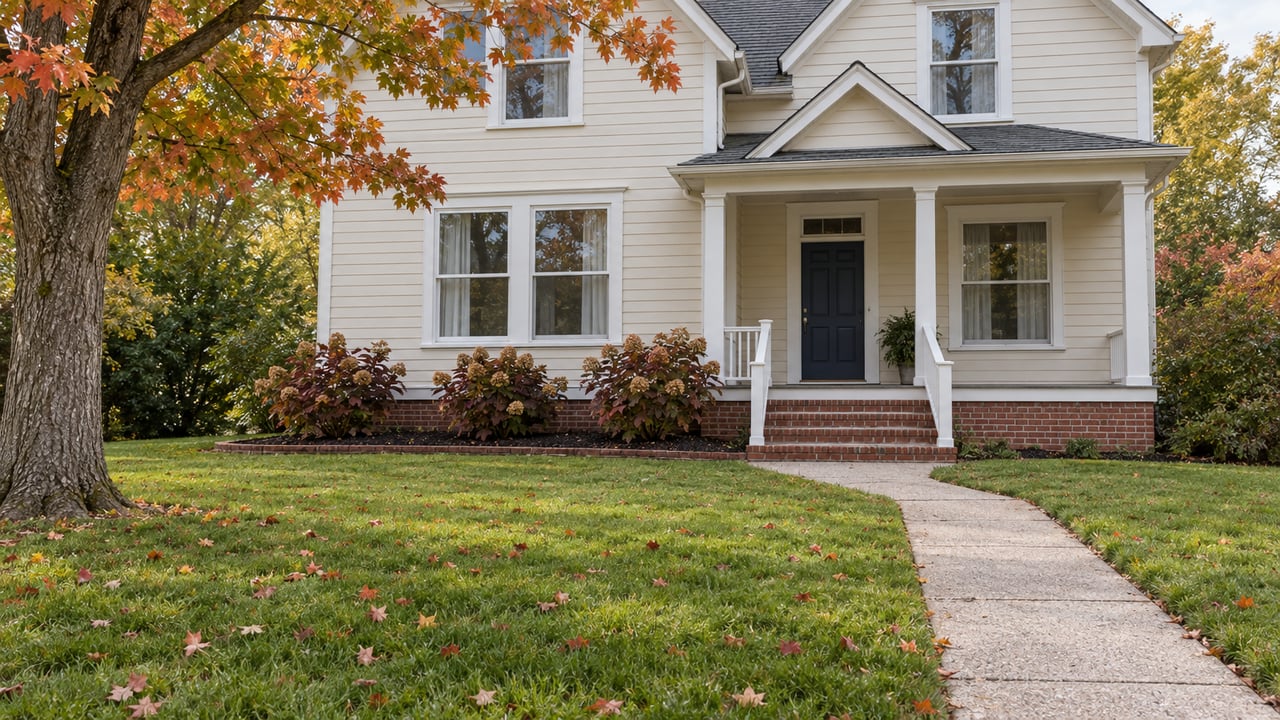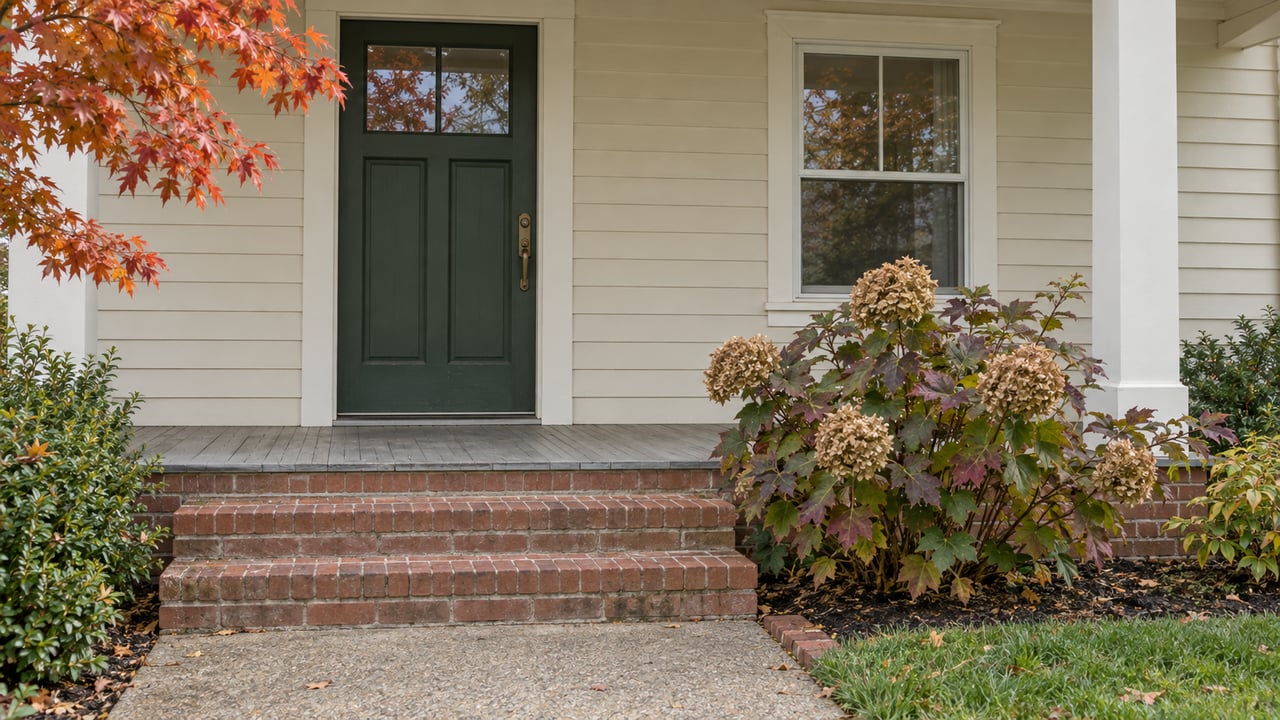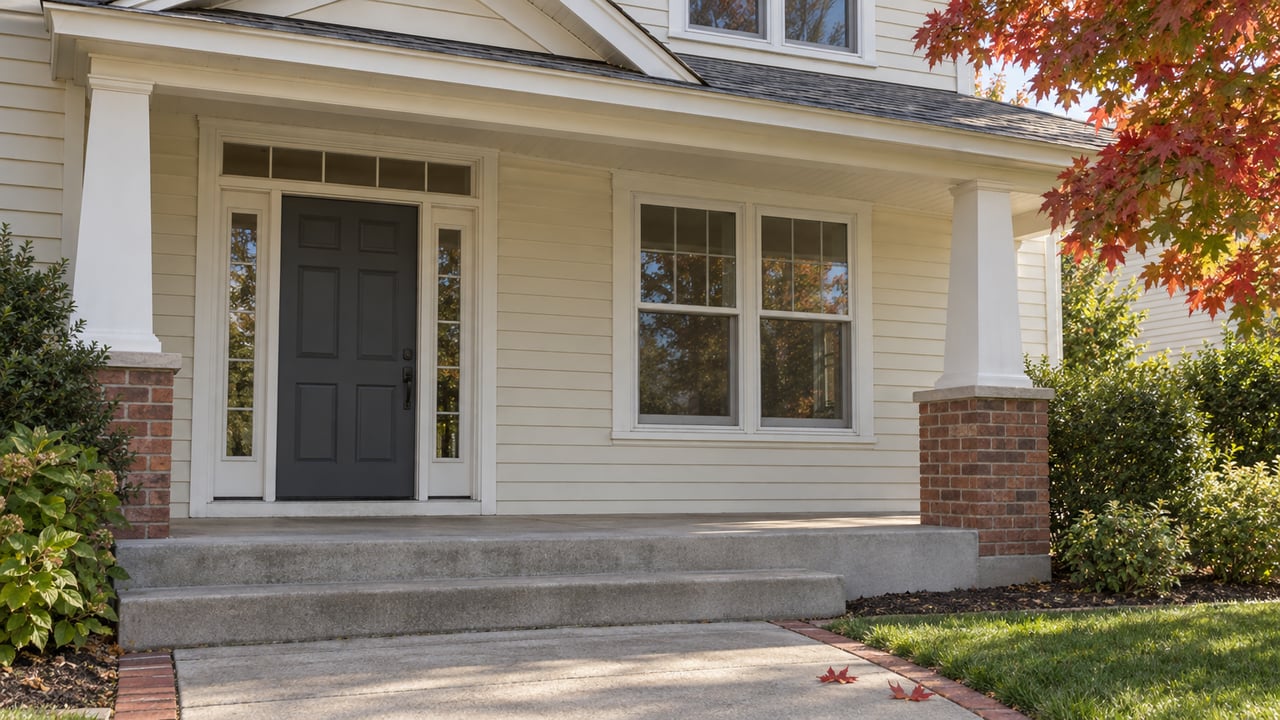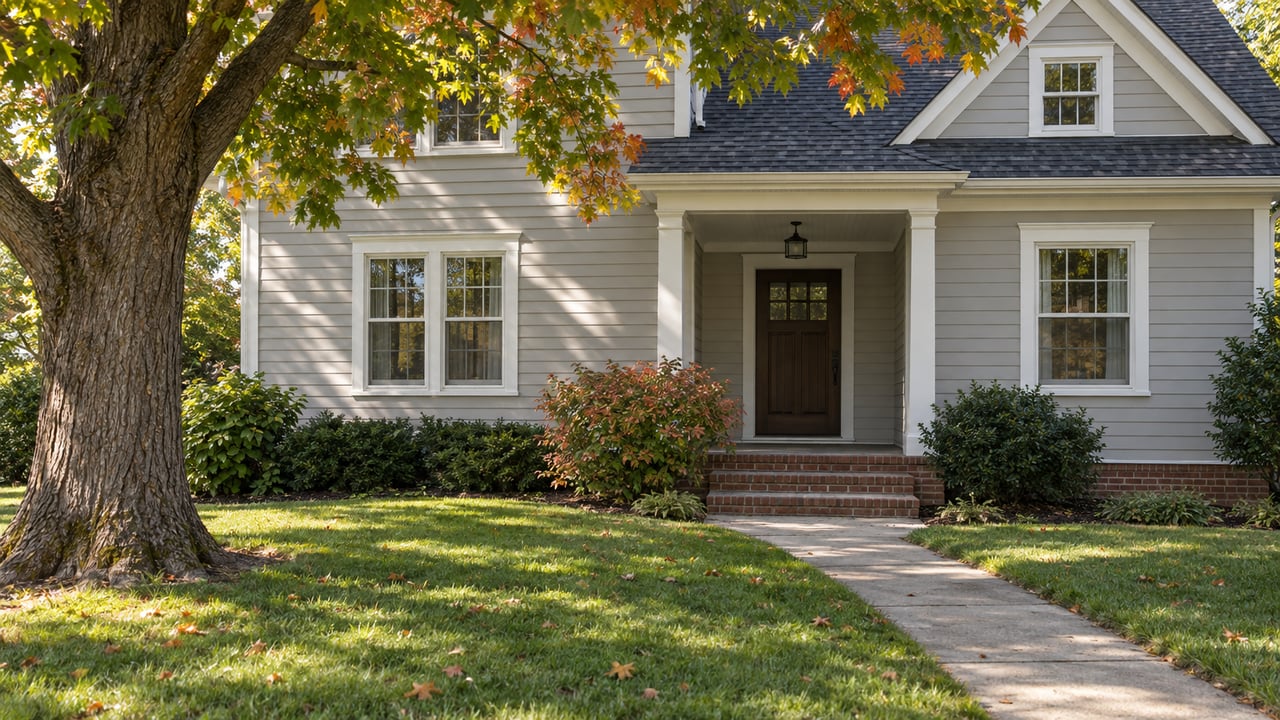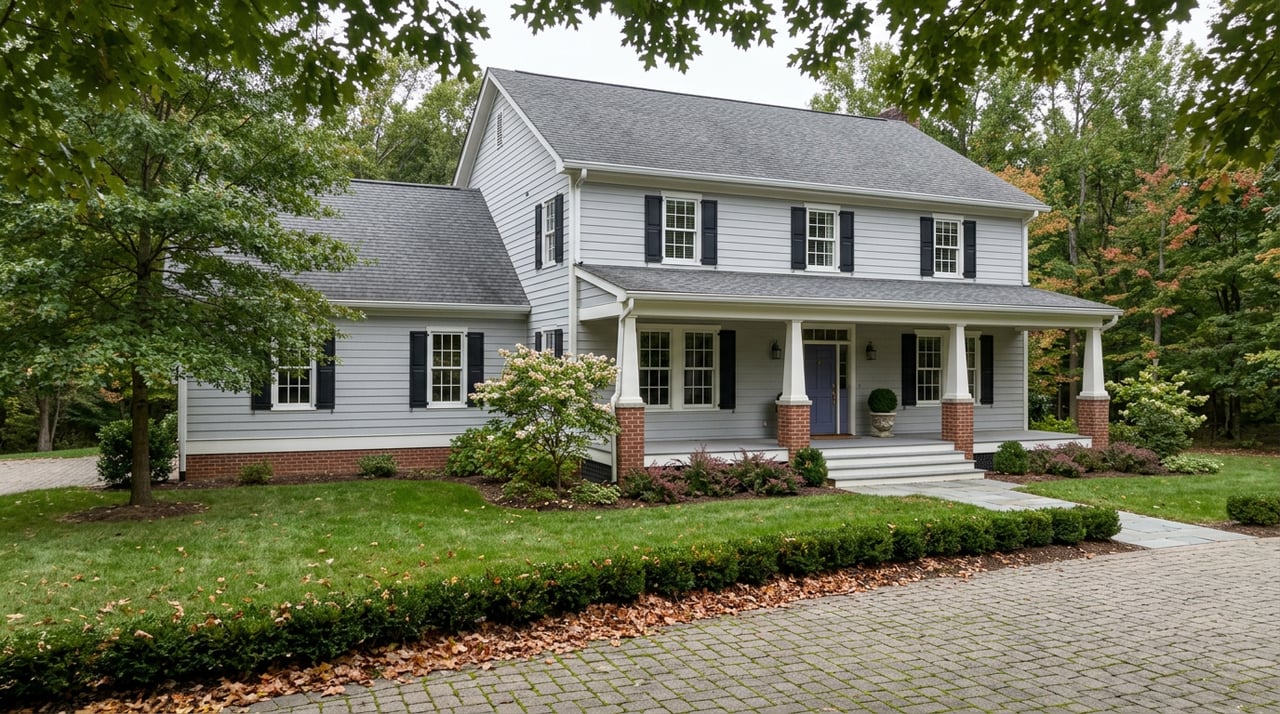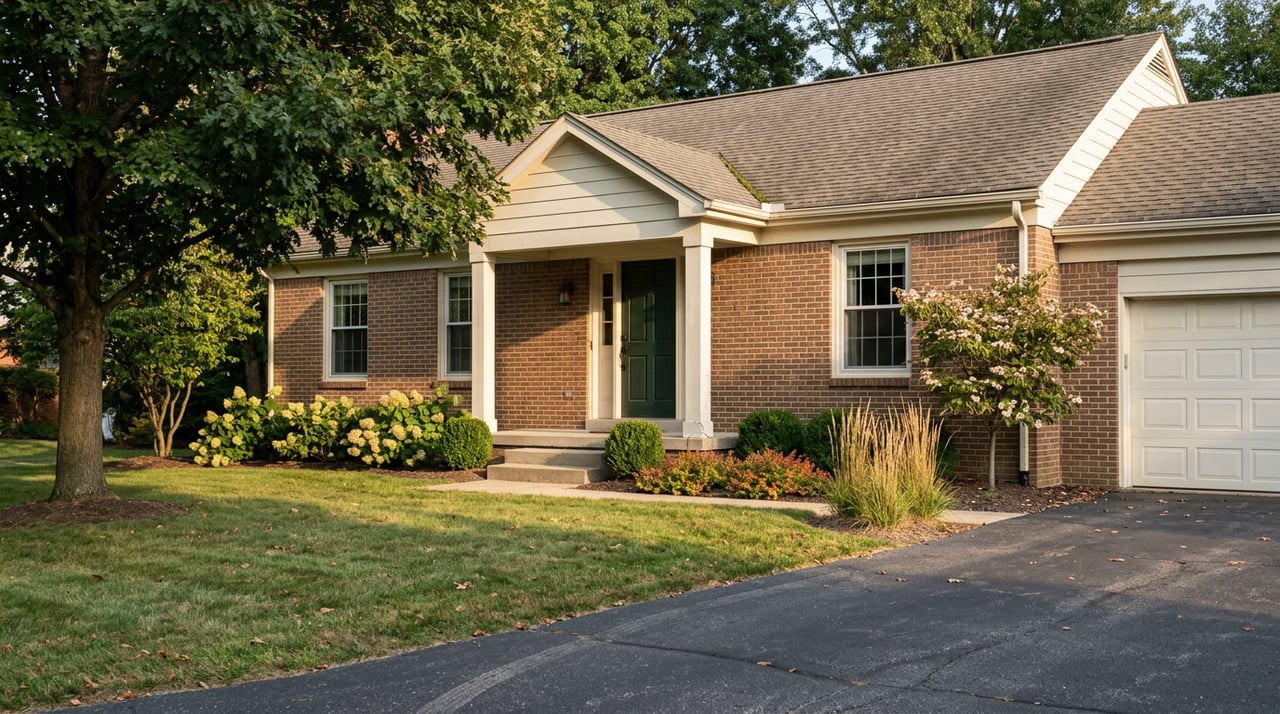
In June 2024, a five-bedroom home at 9116 Bowling Green Drive in the Carriage Hill section of Villages of Urbana listed for $949,999 and closed at $1,000,000. Fourteen months later, in August 2025, a home a few streets over at 4000 Carriage Hill Drive listed for $1,200,000 and closed at $1,100,000, more than eight percent under ask. Same section. Same HOA. Same school boundaries. Two sales that behaved like they belonged to different markets entirely.
That is because they did. Villages of Urbana is marketed and sold as one community, but the closings tell a more complicated story, and if you are comparing this neighborhood to others in Frederick County, that story matters more than the single median price you saw on a portal.
Two Sales, One Section, Opposite Outcomes
Both of these transactions come from the Frederick News-Post's weekly roundup of the county's top-selling home, the single highest closing reported through Bright MLS that week. When Villages of Urbana shows up in that column, it is because a home there just outsold nearly everything else that closed in Frederick County that week. It has happened repeatedly.
Look at what those top-house closings actually did against their list prices over the past several years:
| Address (Section) | Sale Month | List Price | Close Price | Spread |
|---|---|---|---|---|
| 4026 Belgrave Circle | Sep 2021 | $1,025,000 | $975,000 | -4.9% |
| 3608 Red Sage Way North | Jul 2022 | $925,000 | $935,000 | +1.1% |
| 9116 Bowling Green Drive (Carriage Hill) | Jun 2024 | $949,999 | $1,000,000 | +5.3% |
| 9129 Charterhouse Road | Aug 2024 | $1,100,000 | $1,150,000 | +4.5% |
| 8902 Mackall Court | Apr 2025 | $1,065,000 | $1,090,000 | +2.3% |
| 4000 Carriage Hill Drive | Aug 2025 | $1,200,000 | $1,100,000 | -8.3% |
| 9047 Clendenin Way | Feb 2026 | $999,900 | $995,000 | -0.5% |
Seven of the county's top weekly sales, all inside one community, swinging from nearly nine percent under asking to more than five percent over it. If you are pricing a listing or writing an offer based on what "Villages of Urbana homes typically do," this is the range you are actually working with, not a tidy single number.
Some of that swing is ordinary market noise. Homes carry different upgrades, different lot positions, different sellers with different timelines. But the fact that Carriage Hill produced both the biggest overbid and the biggest discount on this list tells you something specific: even within a single named section of Villages of Urbana, condition and timing are doing more work than the section name is.
New Construction and Resale in Villages of Urbana
There is a second layer to this, and it explains part of why pricing behaves so unevenly section to section.
New construction is still available in parts of Villages of Urbana. Natelli Communities' own site currently lists three places where you can still buy new construction here: Stone Barn Village, with townhomes from Lennar and Dan Ryan Builders and single-family homes from Dream Finders, Worthington Square, with townhomes from Main Street Homes and Parkwood Homes starting in the $300s, and a run of new villas from NVHomes built for 55-plus buyers. The community's original walkable retail section, Market District, sold out its new construction inventory as of mid-2025.
That leaves most of the roughly 4,100 homes in Villages of Urbana, the ones built between 1999 and 2014 in sections like Carriage Hill, Belgrave, and the neighborhoods around Bowling Green and Charterhouse, competing purely as resale. No builder incentives to comp against. No model home down the street offering a rate buydown to pull demand away. Just one older home measured against another older home, on whatever terms the current owner and buyer can agree to.
That distinction matters if you are house hunting here. A buyer comparing a resale colonial on Clendenin Way to a new townhome going up in Worthington Square is not comparing two versions of the same market. They are comparing a mature resale pool, where list-to-close ratios swing on condition and negotiating leverage, to a builder-controlled new-construction pipeline, where pricing follows a different set of incentives entirely.
The Median You See Depends on Where You're Standing
This is also why the "median price" for Villages of Urbana looks different depending on which source you check and when.
As of this month, the trailing twelve-month median sale price specifically inside Villages of Urbana sits at $650,000, up about two percent from the prior twelve months, with homes averaging 28 days on market. That is a neighborhood-specific number, and it points to a market that has held roughly steady.
Zoom out to Urbana as a whole, the broader place name that includes Villages of Urbana along with other nearby subdivisions and price points, and the picture looks different. Redfin's figure for Urbana overall showed a median sale price of $595,692 as of April 2026, down nearly 20 percent year over year. That number blends in every home sale across Urbana, not just the ones inside Villages of Urbana's HOA boundary, and it moved in the opposite direction from the community-specific figure over roughly the same window.
Neither number is wrong. They are measuring different things. One is the community. The other is the wider place name it sits inside, which includes homes and price points outside the HOA entirely. If you searched "Villages of Urbana home prices" and landed on a single figure, you were likely looking at one of these two very different lenses without knowing it.
The community has one HOA and one name. It does not have one market. It has a resale market competing with itself, a new-construction pipeline with its own rules, and a handful of sections producing wildly different outcomes depending on the month you close.
What This Means If You're Buying or Selling Here
If you are selling in an established section like Carriage Hill or Belgrave, do not anchor your pricing expectations to the community-wide median. Pull the closings from your specific section over the past six to twelve months and look at the spread, not just the average. A seller who lists based on the $650,000 community median without checking whether their section has recently produced over-ask or under-ask outcomes is guessing.
If you are buying, figure out early which market you are actually in. A home in Stone Barn Village or Worthington Square is priced against a builder's incentive structure and a construction schedule. A home in one of the older single-family sections is priced against whatever similar resale homes have done in the past few months, which the table above shows can vary by several percentage points in either direction depending on the specific sale.
It is also worth knowing that carrying costs are not uniform across the community. Under the association's most recently published assessment schedule, Villages of Urbana ran a tiered structure: a general assessment paid by every homeowner, an added monthly charge for townhome and condo owners, and a separate maintenance assessment for villa owners that covers snow removal and shared landscaping. Two homes at the same $650,000 price point can carry different monthly obligations depending on which product type and section they sit in, which is one more reason the community median tells you less than it appears to.
FAQ
Is Villages of Urbana still building new homes? In a limited sense, yes. New construction is currently concentrated in Stone Barn Village, Worthington Square, and a run of 55-plus villas from NVHomes. The community's original walkable retail section, Market District, sold out its new-construction inventory as of mid-2025. Most of the community's older sections, built between 1999 and 2014, are resale only.
Why did some Villages of Urbana homes sell over asking and others under? Recent top-house closings in the community have ranged from roughly 8 percent under list to more than 5 percent over list within about a five-year span, even within the same section. Condition, staging, and timing relative to the broader market appear to matter more than the section name alone.
Does the community's median price apply to whatever section I'm considering? Not necessarily. The neighborhood-specific median can move in a different direction than the broader Urbana-wide median over the same period, and individual sections have produced closings on both sides of asking price within the same year. A section-level comp check tells you more than the community average will.
Does every home in Villages of Urbana pay the same HOA dues? No. The community uses a tiered assessment structure where townhome, condo, and villa owners pay additional monthly charges on top of the general assessment that applies to every homeowner.
If you are trying to figure out what a specific section of Villages of Urbana is actually doing right now, not what the community-wide average suggests, that is exactly the kind of read The Trish Mills Team does every week across Frederick County. Get Your Instant Home Valuation and we'll walk you through what your section's recent closings really say before you set a number.
This article is general information, not legal, tax or financial advice. Consult a qualified professional about your situation.